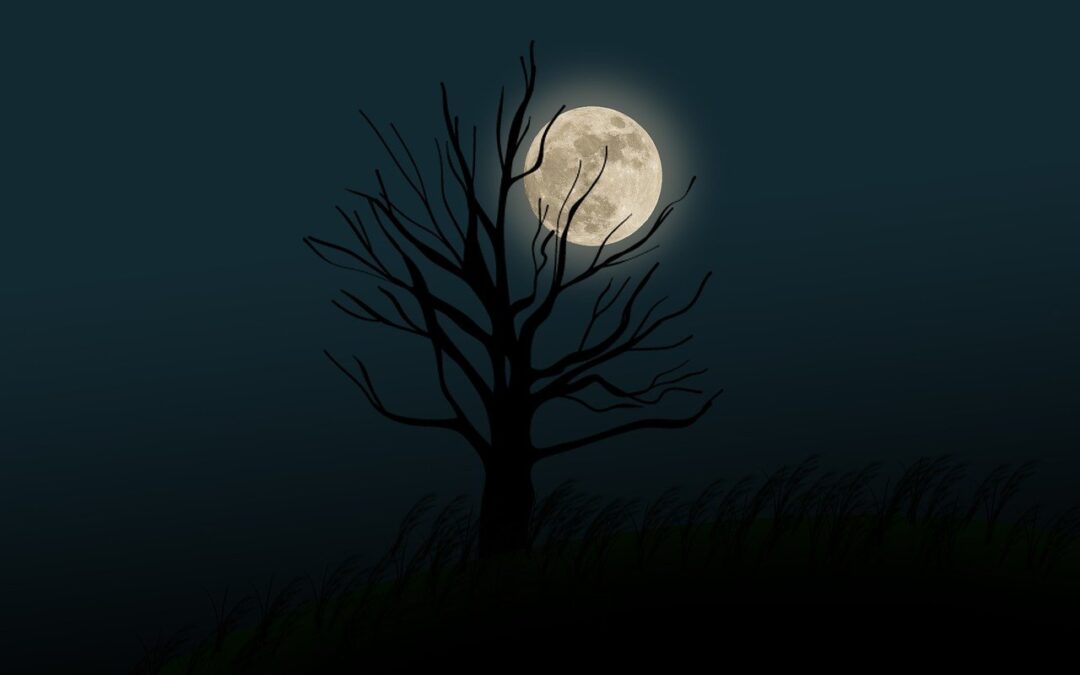
My head is pounding, and my eyes burn. There is a wave, a panic, coursing through my body as my mind fills. Thoughts come from all directions. Lists of to-dos create themselves. Memories replay. Responsibilities come crashing down. The blackout blinds are drawn in the room and no light creeps in under the sleep mask. I hesitantly lift the mask off one eye and peek out to see what time it is …
2:30am AGAIN! And here I am, wide-awake. Pulled out of sleep by the chaotic scramble of my brain after less than four hours of rest. I know, since I have tried on too many sleepless nights, that there is no possibility that I will turn over and go back to sleep. I get up out of bed and quietly make my way downstairs trying not to wake up Brian or the pets who are still sleeping soundly, and most likely will be for many more hours.
Tonight, I head to the kitchen and put the kettle on for tea. Teiki, our youngest cat, yawns, stretches and looks at me and I imagine he’s wondering why I am up since he is not yet hungry. Past experience reminds me that I will be up for 2-3 hours. I empty the dishwasher, plan the upcoming day, make lists of errands and things to be completed. I check the houseplants, watering and deadheading as needed. Then settle down with my tea and journal to meditate and write. Somewhere between 4:30am-6:00am, I will become overwhelmingly tired, go upstairs to crawl back into bed and sleep for a few more hours. The rhythm of my sleeplessness is almost always the same.
This would be unnoteworthy if it were a random occurrence, but it has been a regular pattern in my life for quite a few years now. The number of sleepless nights amplified exponentially through the onset of menopause and the challenges of the covid crisis, both of which caused major changes in my world. I am often awake two or three times a week in the wee hours of the morning. A friend of mine joked that I was creating a new fad, and called it “intermittent sleeping”, to go along with intermittent fasting.
Over the years, I have done a fair bit of research on sleep challenges and insomnia for menopausal and post-menopausal women. Studies have shown that it can be a regular occurrence for many women through the transition into menopause and afterwards. Although, reading through the various scientific findings, other than agreeing that hormonal changes and the reduction of estrogen could be a factor, there is not really a consensus as to what the specific challenge around being unable to sleep could be. Some say it is diet related. Some say it is stress related. Some say it is connected to depression and anxiety. Some advise HRT and a visit to the doctor for sleep aids. Some suggest it just is what it is.
I have tried all the recommended sleep hygiene practices which focus on creating healthy habits, behaviours, and sleeping spaces conducive to a good night’s rest. I have tried melatonin, gabapentin, and magnesium. I have listened to soothing music designed to induce a deep relaxed state within the body, along with guided meditations. I am physically active on a daily basis and have a rather solid meditation practice. I have spoken with medical professionals who offer sleeping pills as a “temporary solution” but see my broken sleep patterns as something that “just happens to some people as we age”.
This pattern of broken sleep is challenging, rather exhausting, and definitely not a recommended way of getting a solid night’s rest. I find it particularly frustrating as I used to doze off quickly once my head hit the pillow and be a “dead to the world” sleeper who would remain that way until it was time to get up. After years of trying to fix and change it, I have slowly come to terms with this enigma of mine. I give myself permission to rest when I need to and let sleep be what it will be.
I am grateful my schedule is flexible and there are very few mornings where I need to be up and out early. I find that once in a while I welcome this middle of the night wakefulness when the house and neighbourhood are quiet. Sometimes, I wander outside to the patio to sit for a bit, browse through my gardens, or walk a little way up the street enjoying the dark of night and all the beauty it has to offer. What I find most interesting in this journey, is that the more I surrender to the idea that my “intermittent sleep” practice just happens, the less it occurs – Go figure!
“I love the silent hour of night, for blissful dreams may then arise, revealing to my charmed sight, what may not bless my waking eyes.”
― Anne Brontë
May you be well, live well, and rest well.
Wendy xo


